1524. A force of 12,000 Turkish and Tatar warriors burned the town of Zinkiv to the ground. Ash — and nothing more.
The castle on the hill — held.
The garrison repelled the attack. The town was rebuilt. The castle continued to stand on the Black Trail — one of the main Tatar raid routes into Podilia.
This went on for more than three centuries.
General Information
| What? | Description |
|---|---|
| Name | Zinkiv Castle |
| Address | village of Zinkiv, Vinkovetsky district, Khmelnytska oblast |
| First documented mention | 1404 (granted to Petro Shafranets) |
| Foundation | 1431 (Petro Odrovonzh) |
| Plan | equilateral triangle, sides 280 ft (85 m) |
| Walls | height 33 ft (10 m), thickness 11.5 ft (3.5 m) |
| Material | sandstone and limestone |
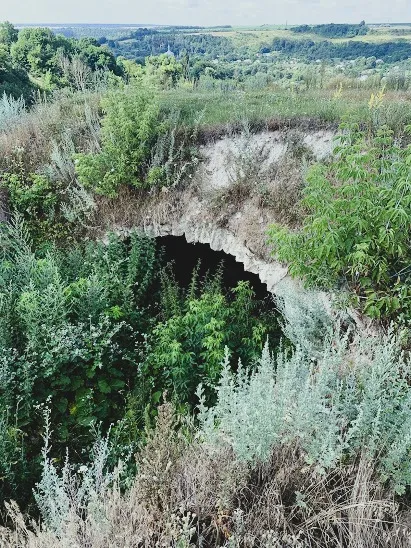
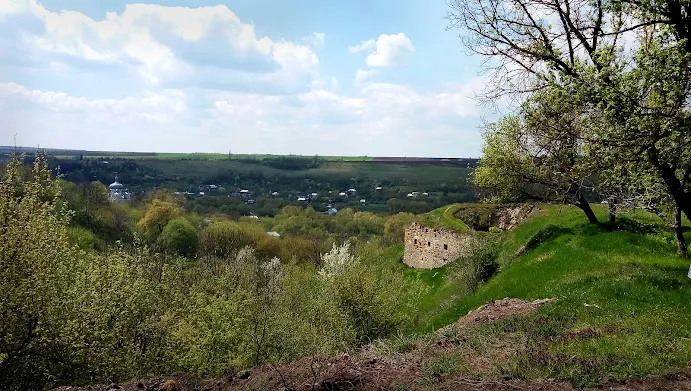
| What survives | one tower + several rooms of a former prison |
| Status | architectural monument |
From Shafranets to Odrovonzh
1404 — the Polish king granted the castle to the nobleman Petro Shafranets. Zinkiv already appears in documents, but details are sparse.
1430 — for military service, King Władysław II Jagiełło transferred the castle to Petro Odrovonzh. He began serious construction — funded by the local community.
The castle was built to an unusual plan: an equilateral triangle with sides of 280 ft (85 m). Walls 33 ft (10 m) high and 11.5 ft (3.5 m) thick. Material: local sandstone and limestone. Construction was completed by the late 15th century.
The Black Trail and Three Repelled Raids
Zinkiv stood on the Black Trail — and that meant constant danger.
1453 — the Zinkiv starost Jan Lyashch routed the Tatars near Terebovlia. The castle held the region.
1516 — a Tatar raid was repelled near Zinkiv itself by Yakub Setsygnevsky.
1524 — 12,000 Turks and Tatars burned the town to the ground. The castle did not fall. This reliability drove the town’s subsequent economic growth.
1768: The Bar Confederation and the End
The castle’s last military chapter is unexpected.
1768 — during the Bar Confederation, a confederate detachment captured the castle after a brief siege. But held it only briefly before surrendering to the Crown Regimentary Xavier Branytsky.
The castle lost its strategic value and gradually fell into ruin. In the 19th century, the premises were converted into a prison — a convenient ready-made facility.
The Senyavsky Treasure
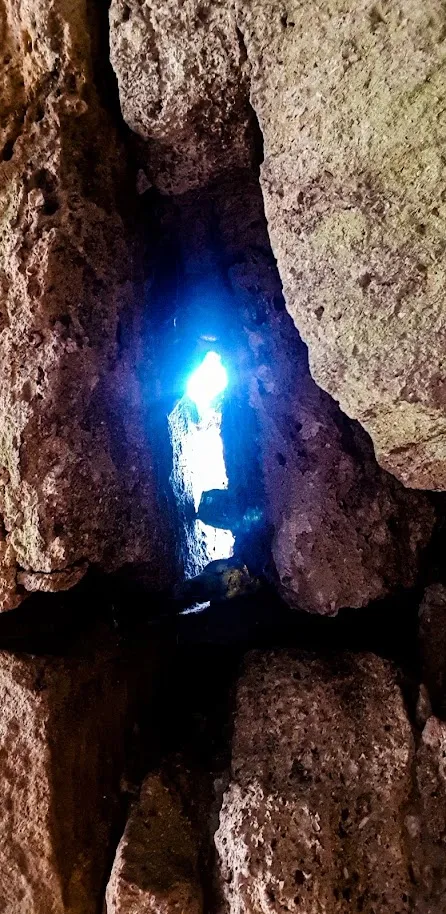
According to local tradition, the tunnels beneath the castle conceal the hidden treasure of the Senyavsky family — the great magnates who long held Zinkiv.
The treasure has never been found. The tunnels are real.
What Survives Today
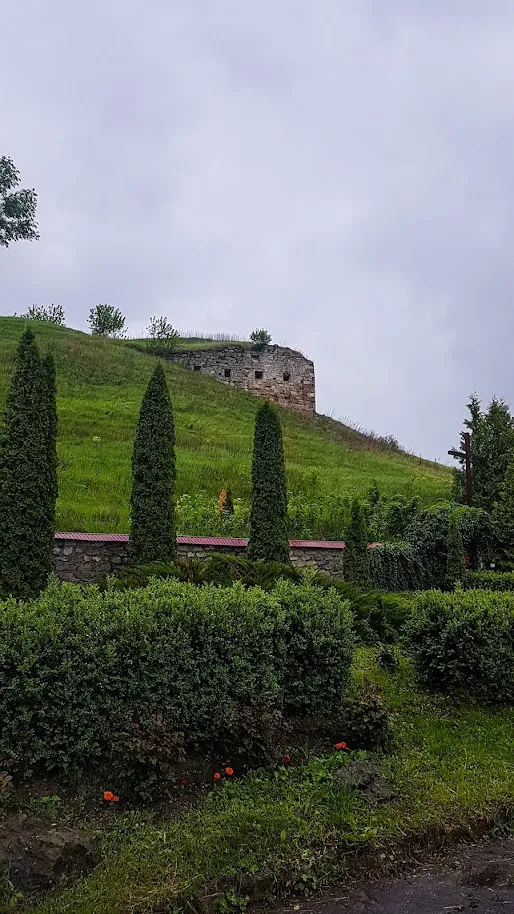
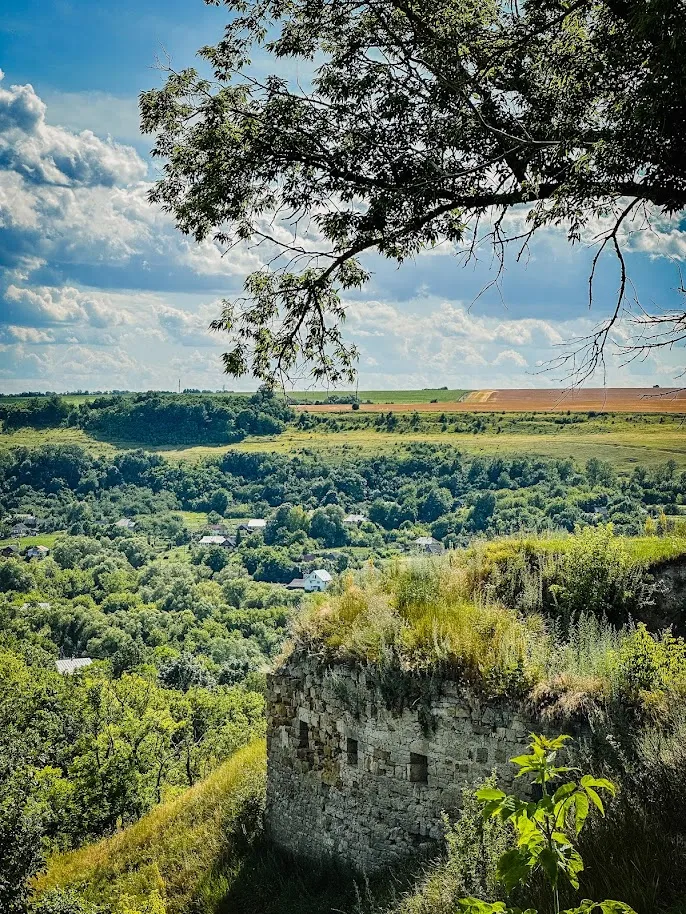
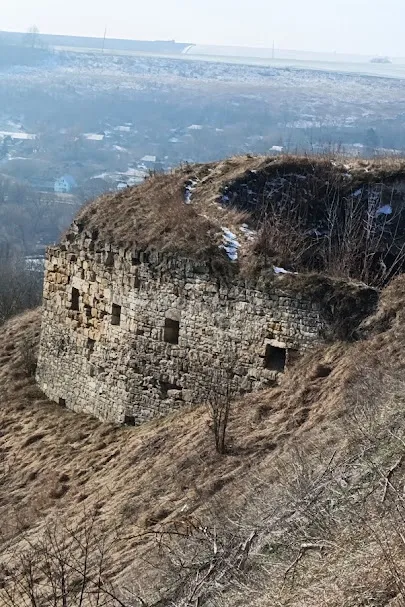
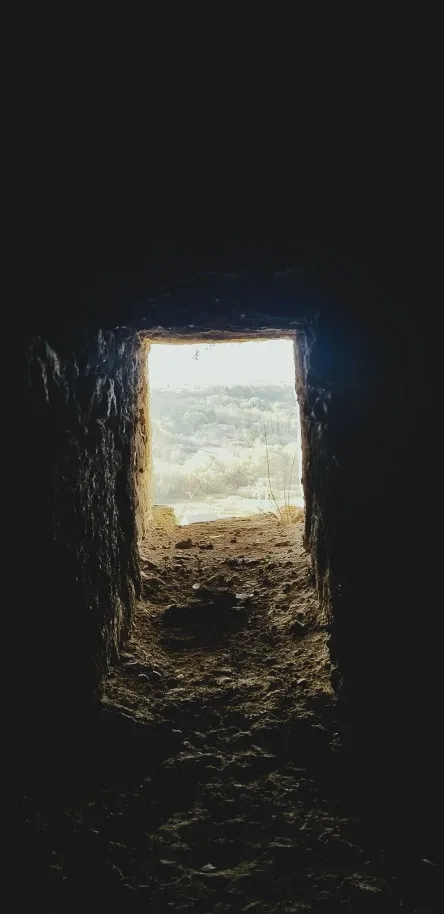
Of the once-powerful triangular fortress, one ancient tower remains along with several rooms of the former prison. The outline of the triangular inner ward can still be traced on the ground.
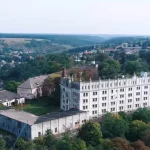
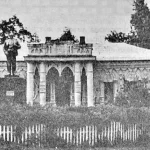
Near the castle and the church stands a mid-19th-century manor house that now serves as the village council.
Practical Information
- Entry: free
- Condition: one tower + fragments
- Time on site: 20–30 minutes
- From Khmelnytskyi: ~55 miles (~90 km)
Conclusion
12,000 Tatars failed in 1524.
The Bar Confederation took it and surrendered.
Then a prison. Then ruins.
The tower stands. The Senyavsky treasure waits.