Cannonballs from an 1854 bombardment by an Anglo-French squadron are still lodged in the walls of the Vorontsov Palace in Odesa — a physical trace …
The Vorontsov Palace: Cannonballs from an Anglo-French Squadron Still Lodged in the Walls
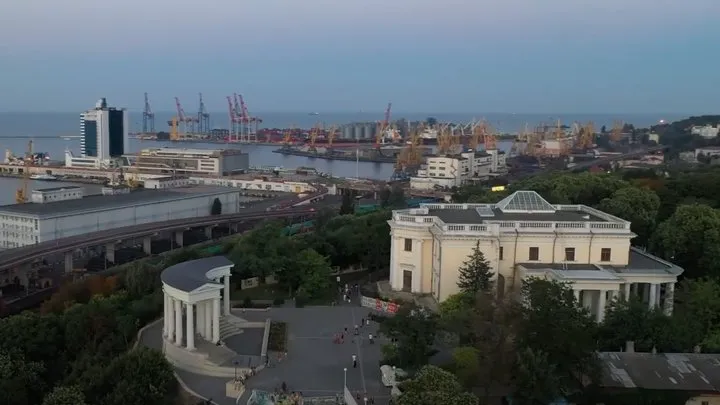
Cannonballs from an 1854 bombardment by an Anglo-French squadron are still lodged in the walls of the Vorontsov Palace in Odesa — a physical trace …
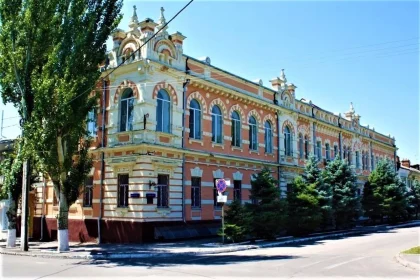
Almost no documentation survives about the man whose name one of Kherson’s most striking buildings carries — no dates, no occupation, not even a confirmed …
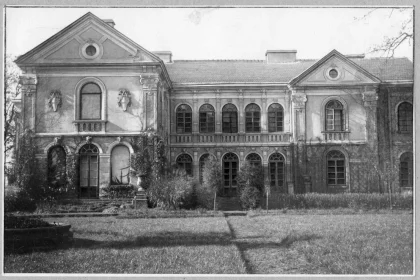
The staircase in the Fredro-Sheptytsky Palace creaks not because builders were careless, but on purpose: the estate’s owner, Polish comedic playwright Aleksander Fredro, had sharp …
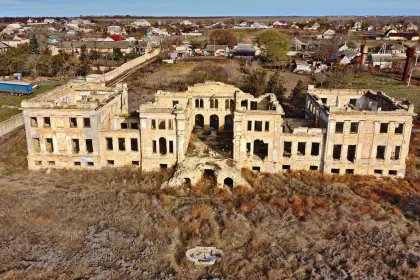
The estate got its nickname “Wolf’s Den” not from wolves in the surrounding woods, but from a psychiatric diagnosis. Sergei Pankeev grew up here — …
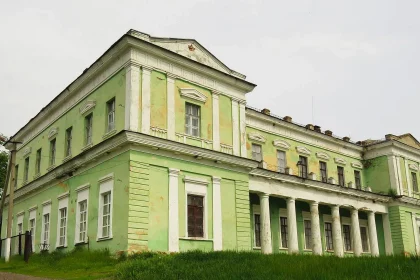
The village of Rokytne belonged to the widow of a Cossack captain named Cherniak — until she married Lieutenant Colonel Kulykovsky, and it was through …
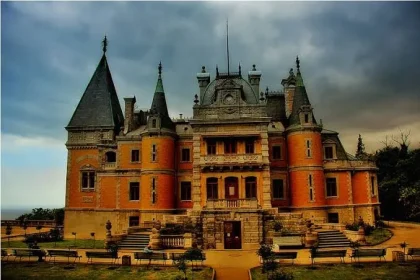
Massandra Palace opened to the general public only on June 1, 1992 — before that, for more than six decades, it was closed territory: first …
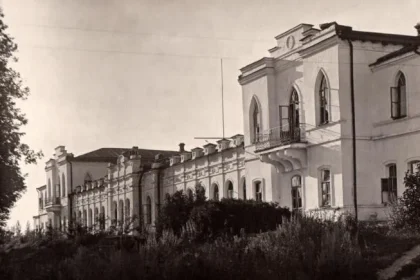
The family whose name this estate carries claimed descent from Prince Sviatopolk the Accursed — the very ruler remembered in history as the murderer of …
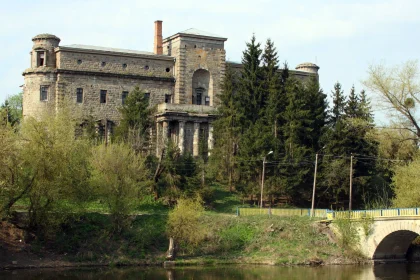
A 26-year-old officer, Kostiantyn Ksido, married a 37-year-old countess, Kateryna Levashova — deaf-mute, no longer young, and unattractive by contemporaries’ accounts, but the owner of …
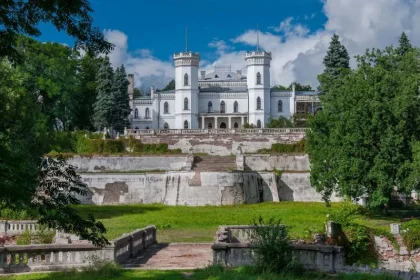
Sharivka Castle earned its nickname “Sugar Castle” the honest way: the estate landowner Olkhovsky began building was later bought out by the Koenig barons, sugar …
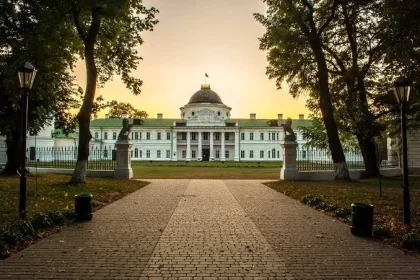
Between 1925 and 1933, the Tarnovsky Palace in Kachanivka housed the Vorovsky children’s commune — and, according to accounts, the children played with bones dug …
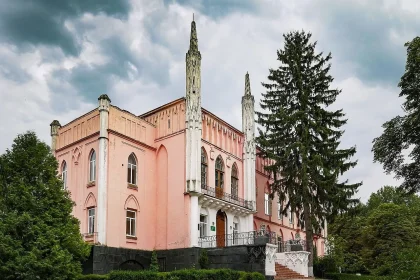
Ihnatii Vitoslavskyi, a Polish nobleman and crown quartermaster, built one of Ukraine’s rarest examples of Neo-Gothic architecture in Cherniatyn — a palace with crenellated cornices, …