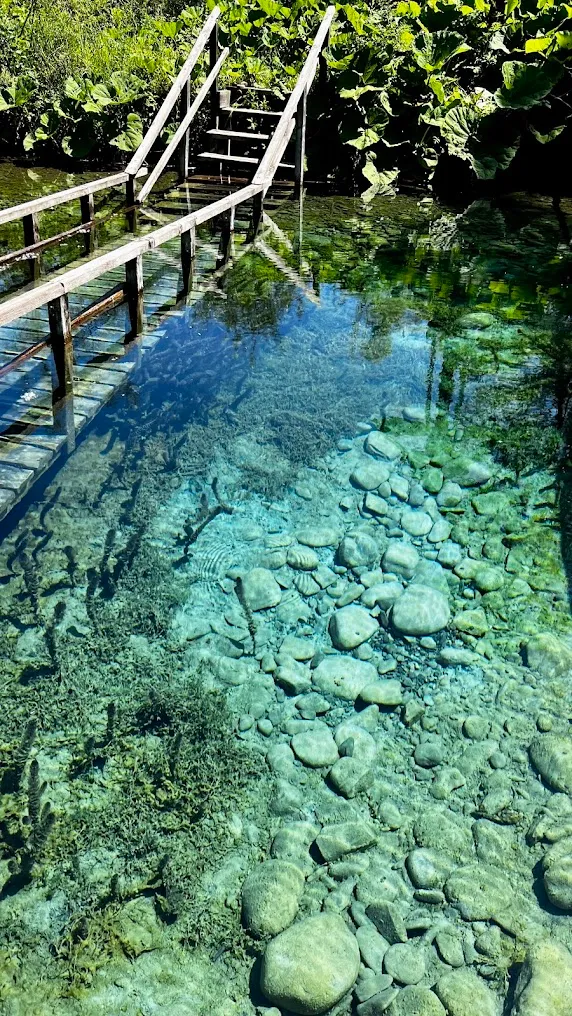
The name sounds like a joke. But when you see the colour of the water for the first time, you understand why no one has ever tried to rename it.
The Ispaski Maldives is a small natural lake discovered by social media. The locals have always known about it — and would have preferred not to share.
General Information
| What? | Description |
|---|---|
| Name | Ispaski Maldives (Bukovynian Maldives, Ispaske Lake) |
| Location | village of Ispas, Vyzhnytsia urban community, Vyzhnytsia district, Chernivtsi oblast |
| Nearby river | Cheremosh (the village sits on its bank) |
| Object type | natural lake (spring-fed) |
| Area | ~4,175 sq ft (~388 m²) |
| Water temperature | ~+41°F (+5°C) year-round |
| Distance from Chernivtsi | 40 miles (~65 km, ~1 hr) |
What This Is and Why the Water Is This Colour
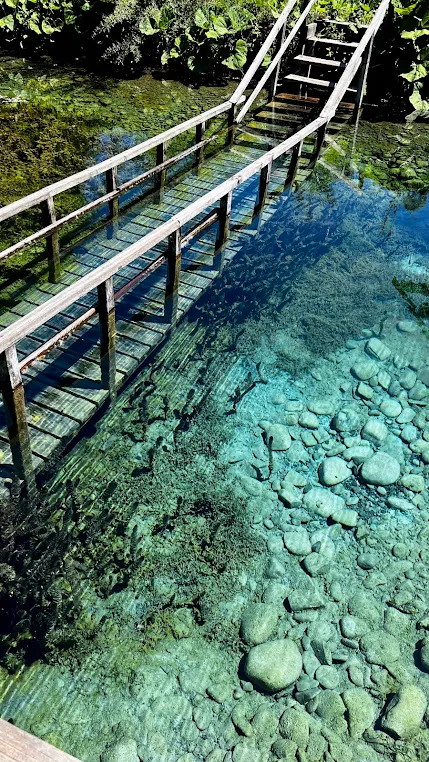
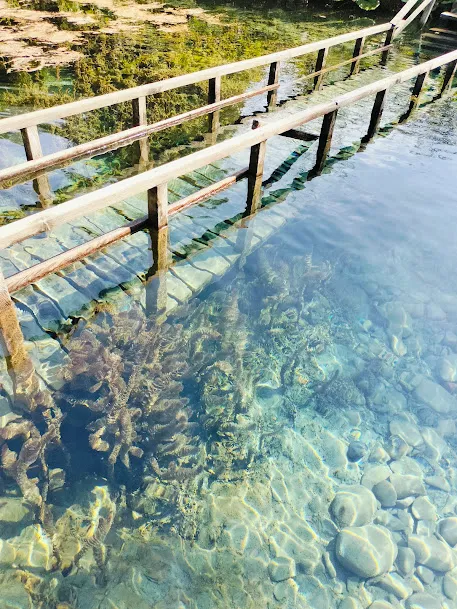
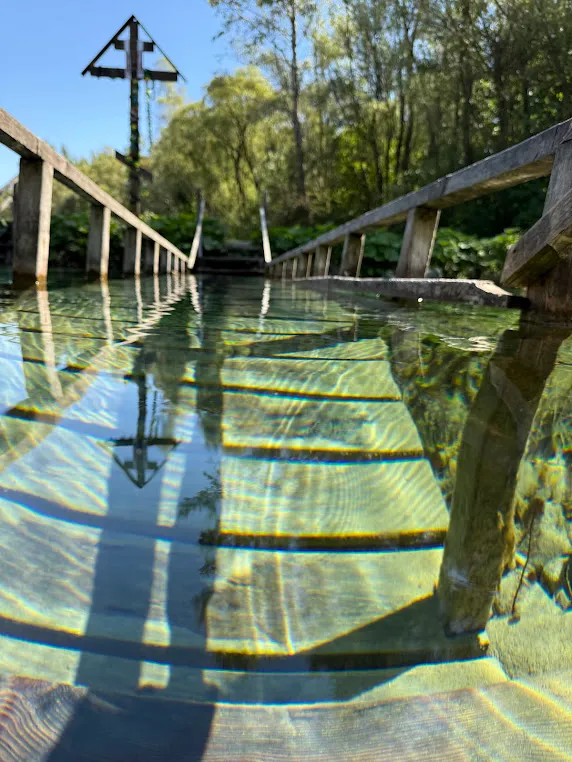
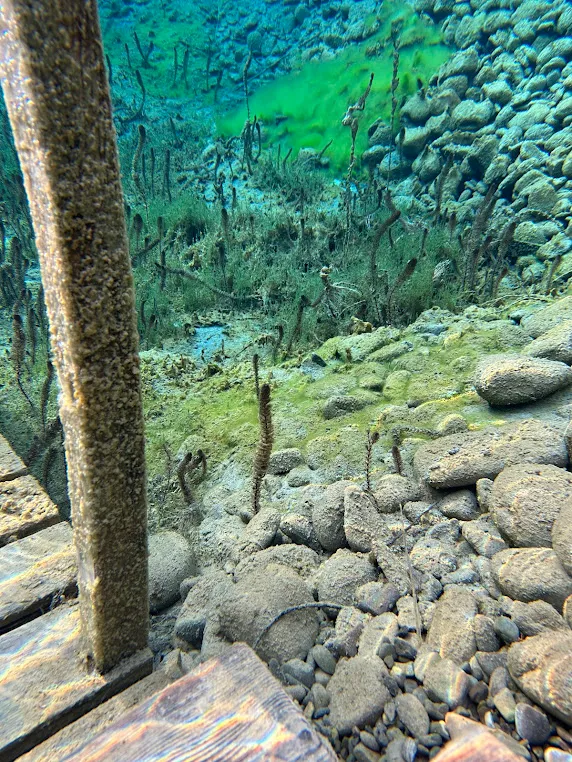
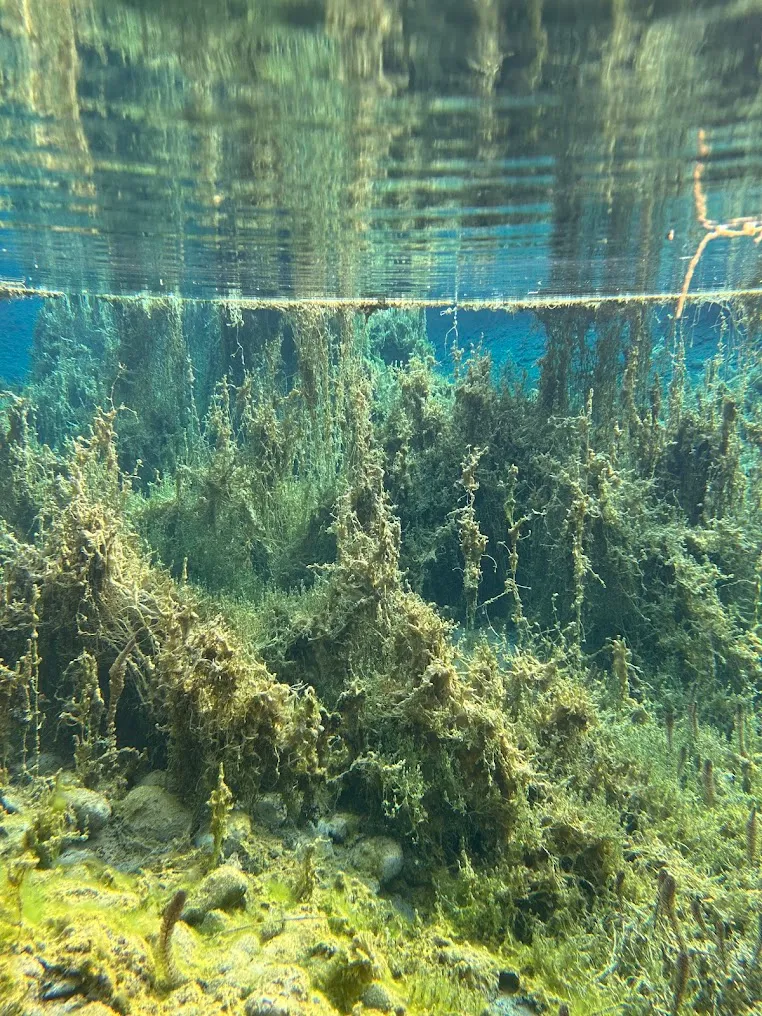
The Ispaski Maldives is not a quarry and not an artificial reservoir. It is a natural spring-fed lake: water rises from below and is constantly renewed.
That is why the water here is:
- crystal clear — micro-organisms do not thrive in cold water
- turquoise-emerald — the colour comes from the depth and the absence of suspended particles
- the same temperature year-round — around +41°F (+5°C)
Even in the heat of summer this is not a beach. It is a mirror with the colour of the Adriatic and the temperature of a glacial spring.
Ispas: a Small Geography
Ispas is a large Carpathian village on the bank of the Cheremosh, 40 miles (65 km) from Chernivtsi and 6 miles (10 km) from Vyzhnytsia. The name, according to tradition, has two possible roots: either from the word for “pasture,” or as a remembrance of the village of Spas, from which people resettled after a Tatar raid.
Population — about 5,000. The road from Chernivtsi to Vyzhnytsia passes through Ispas — the route that has long led onward to Galicia. This explains why Romanians, Poles, Jews and Armenians all lived here.
1941: What Is Worth Knowing About This Place
Ispas has another chapter that is rarely mentioned alongside the “Maldives.”
In 1941, members of a local pro-Nazi organisation, having killed the Jews of neighbouring villages, came to Ispas. Local residents hid 15 families (100 people), risking their own lives. For this act, Ispas was entered into the list of Righteous Among the Nations.
The turquoise lake and this act of courage are both about the same thing: about people who preserve something important.
Practical Information
- Entry: free
- Swimming: possible, but the water is +41°F (+5°C) — be prepared
- Area: ~4,175 sq ft (~388 m²) — small, crowded on weekends
- Local request: no littering, do not trample the banks
- Time on site: 20–40 minutes (photos + experience)
Getting There
- From Chernivtsi: 40 miles (65 km) north via Vyzhnytsia (~1 hr by car)
- Route: Chernivtsi → Vyzhnytsia → Ispas (road T2601)
- Public transport: bus Chernivtsi–Vyzhnytsia, stop at Ispas
- The lake is in the village itself — locals will point the way
What to See Nearby
- Vyzhnytsia (~6 miles / ~10 km) — district centre, Dobryansky estate, churches
- Cheremosh — river rafting (spring to early summer)
- Bukovel and the Carpathians (~45 miles / ~70 km) — if planning a wider itinerary
Ispas fits naturally into the “Dnistrian Panoramas of Ukraine” route — Bukovyna and the Cheremosh form part of this direction.
Little-Known Details
- The lake is of natural spring, not artificial origin — which explains why the water is so clear.
- +41°F (+5°C) year-round — not a metaphor. Swimming is only for the hardy.
- Locals reluctantly share the precise location — to preserve the landscape. They come here themselves.
- Area ~4,175 sq ft (~388 m²) — actually a small lake. In photographs it looks much larger, due to the clarity and colour.
- In Ispas in 1941, 100 Jews were hidden — one of the few documented acts of this kind in Bukovyna. Righteous Among the Nations.
Conclusion
The Ispaski Maldives is a good example of how chance sometimes works better than design.
No one planned the beauty here. No one created a “tourist attraction.”
Water simply rises from the ground — as it has for a very long time — and stays at +41°F (+5°C).
And it turns out that is enough.