In February 1945, in Livadia Palace’s White Hall, the leaders of the United States, Britain, and the USSR held a conference that shaped the borders and fate of postwar Europe for decades to come — including the very territory the palace stands on. Ukraine was not among the participants: decisions that directly concerned its future were made without a single Ukrainian voice at the negotiating table.
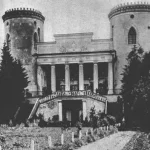
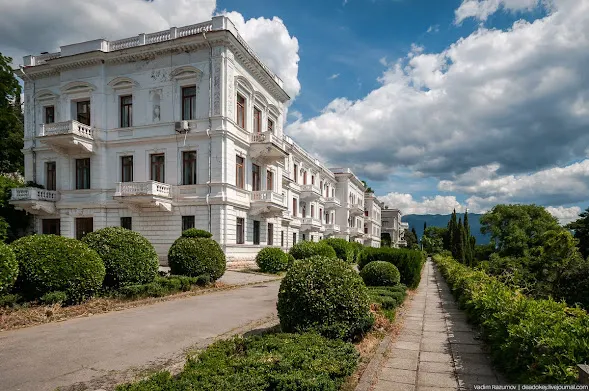
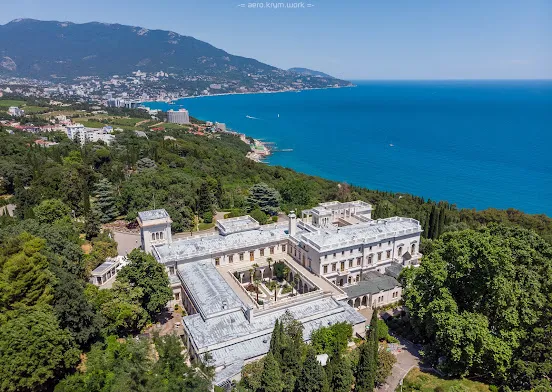
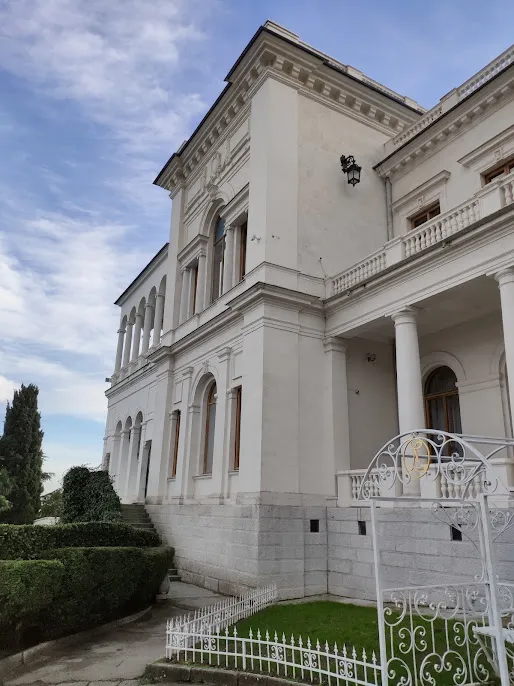
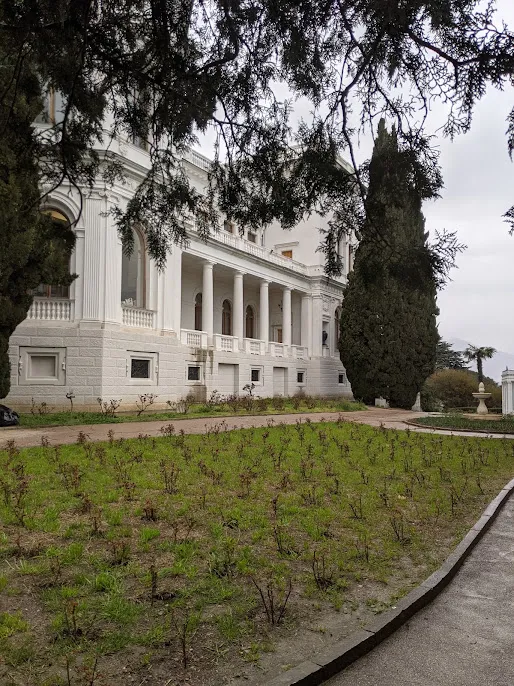
The White Palace tourists see today isn’t the original building: the old palace was demolished entirely, and in just 18 months in 1911, architect Nikolai Krasnov built a new one in the Italian Renaissance style. Even earlier, in 1925, Soviet authorities turned the former imperial residence into the world’s first “peasant resort” — a showcase sanatorium for collective farmers, where 150 “peasant vacationers” were brought in under a gate sign that once read: “Livadia — Estate of His Imperial Majesty.”
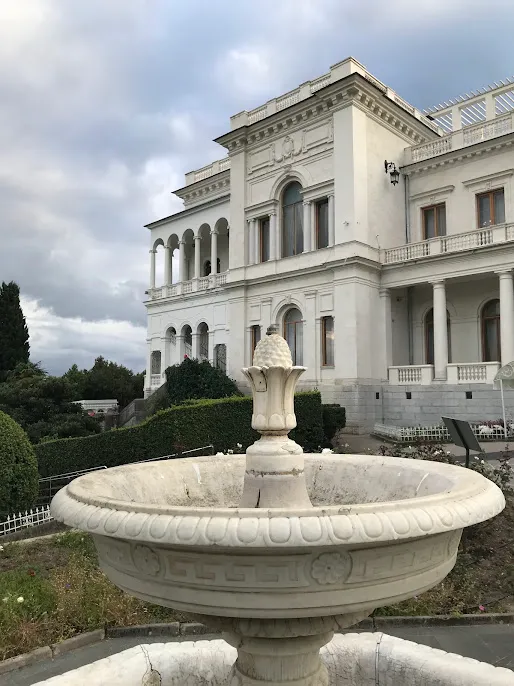
⚠️ TEMPORARILY OCCUPIED TERRITORY
Livadia Palace is located on Crimea’s southern coast, temporarily occupied by Russia since 2014. Visiting is impossible and dangerous. This article is documentary and informational in nature.
General Information
| What? | Description |
|---|---|
| Name | Livadia Palace (White Palace) |
| Address | Livadia settlement, Yalta City Council, Autonomous Republic of Crimea |
| Founded | Estate — 1830s; current palace — 1911 |
| Commissioned by | Lev Pototsky (founding the estate); Nicholas II (current building) |
| Architect | Nikolai Krasnov |
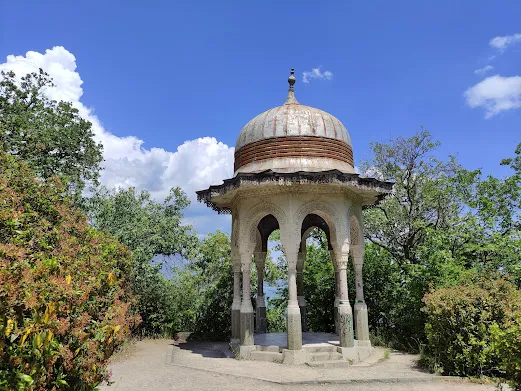
| Form/Details | Italian Renaissance style, an Italian Courtyard and an Arab Courtyard |
| Material | White stone |
| Condition | Well-preserved museum-palace at the time of occupation |
| Status | Landmark of national historical significance (No. 010037-N) |
| Entry | Inaccessible due to occupation |
A Conference Without an Invited Host
I think the most uncomfortable fact about Livadia isn’t its architecture or the speed of its construction — it’s that this is exactly where, in 1945, the fate of the territory the palace stands on was decided without any representatives of that territory present. The Yalta agreements still come up in conversations about borders and spheres of influence in Europe today — and the palace where they were made now sits under the control of one of the parties whose decisions that February had the greatest consequences for its neighbors.
From Imperial Residence to Collective-Farm Sanatorium
Soviet authorities didn’t tear Livadia down — they repurposed it: the showcase 1925 “peasant resort” was part of a propaganda campaign demonstrating how former tsarist estates now “served the people.” Only in July 1974 did the White Hall open its first permanent exhibit dedicated to the Yalta Conference.
What Not to Expect
Don’t expect any way to visit the palace: the territory is occupied, and any practical visitor information here would be inappropriate. This article preserves a documentary record of the landmark until it returns to Ukrainian control.
Conclusion
Livadia Palace carries a double historical weight: it’s where decisions were made that shaped European borders without Ukraine at the table, and today the palace itself sits under occupation by one of the parties to those very negotiations.