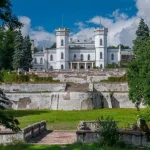
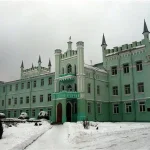
The staircase in the Fredro-Sheptytsky Palace creaks not because builders were careless, but on purpose: the estate’s owner, Polish comedic playwright Aleksander Fredro, had sharp hearing and wanted to hear anyone climbing or descending it. That detail about a famous dramatist’s paranoia, or perhaps his caution, survives in the palace to this day — the stairs still creak.
Fredro himself built the estate in the village of Vyshnia near Rudky in 1835, and his grandson Andrii Maksymilian rebuilt it in 1896. But the palace’s most important connection to Ukrainian history isn’t literary: Fredro’s daughter, Sofia, became the mother of Metropolitan Andrey Sheptytsky, head of the Ukrainian Greek Catholic Church in the first half of the 20th century. That’s how a Polish comedic playwright’s home ended up belonging to the family whose name is most closely tied to modern Ukrainian church history.
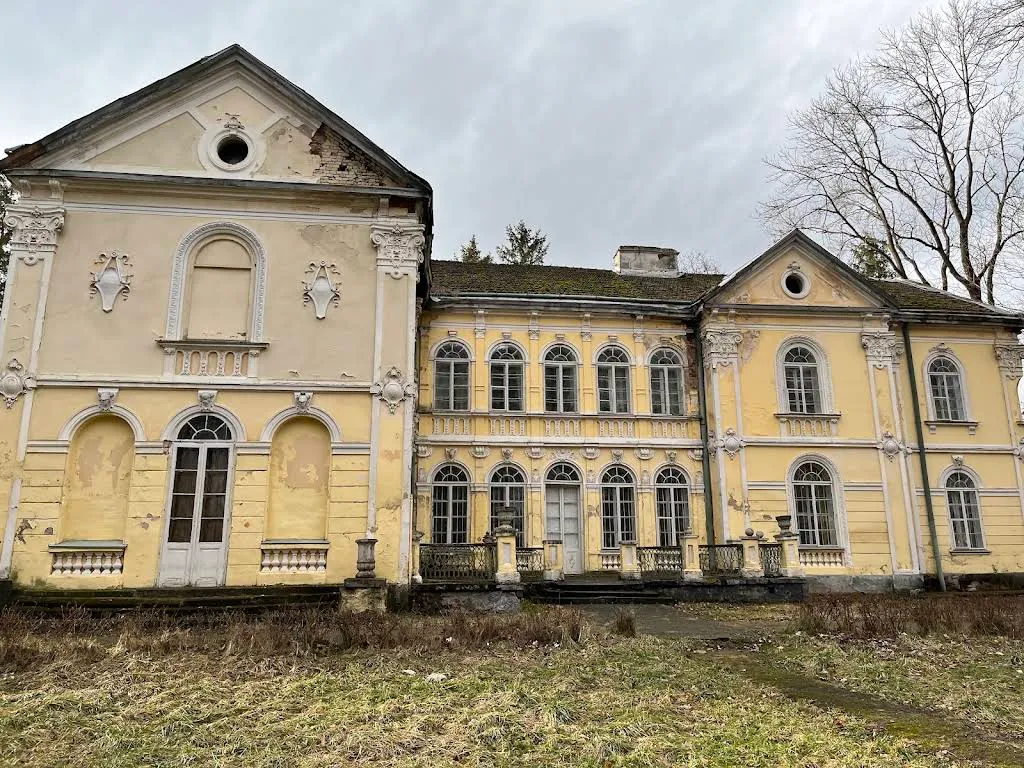
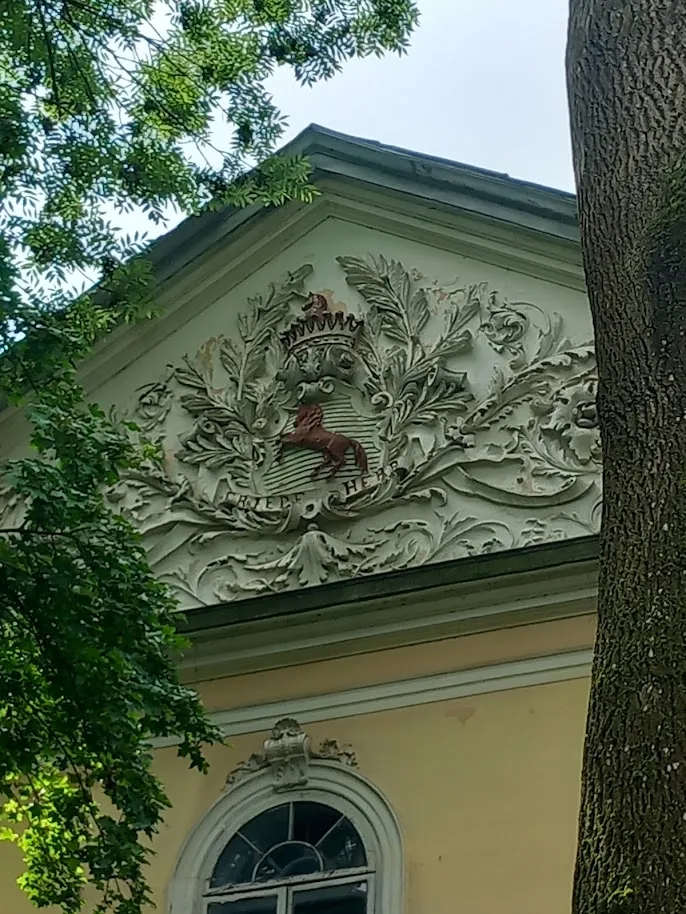
General Information
| What? | Description |
|---|---|
| Name | Fredro-Sheptytsky Palace |
| Address | Vyshnia village (formerly Benkova Vyshnia), Horodok Raion, Lviv Oblast, 0.9 miles (~1.5 km) from the Lviv–Sambir highway |
| Founded | 1835 (rebuilt 1896) |
| Commissioned by | Aleksander Fredro (founding), Andrii Maksymilian Fredro (rebuild) |
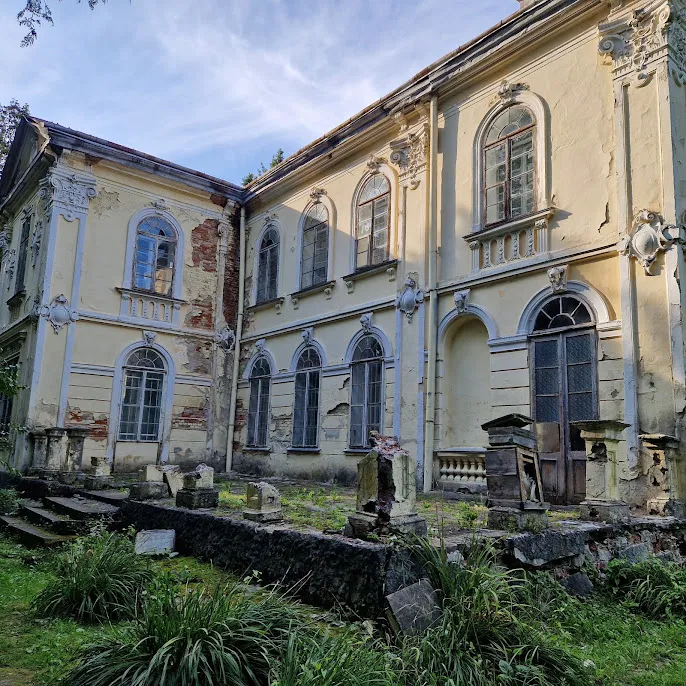
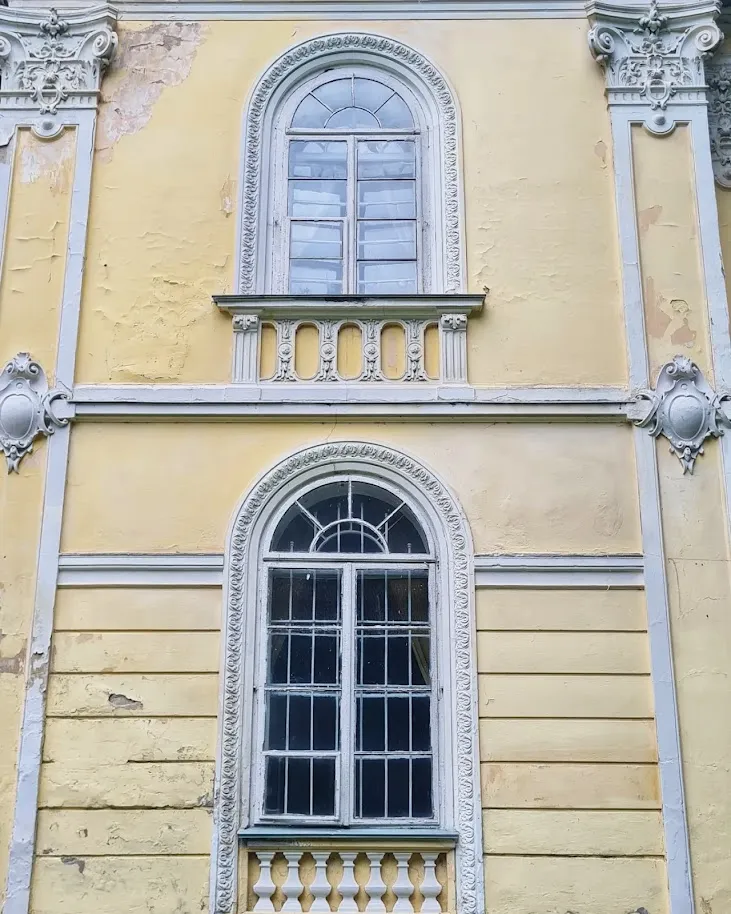
| Style | Neo-Renaissance with English Baroque elements |
| Material | Brick, wood (mahogany staircase) |
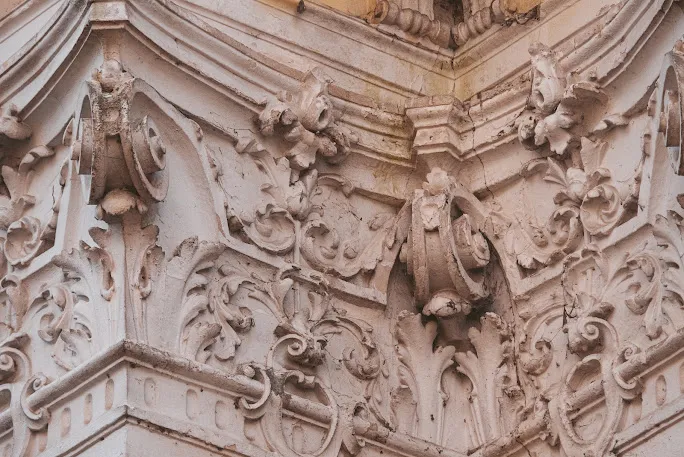
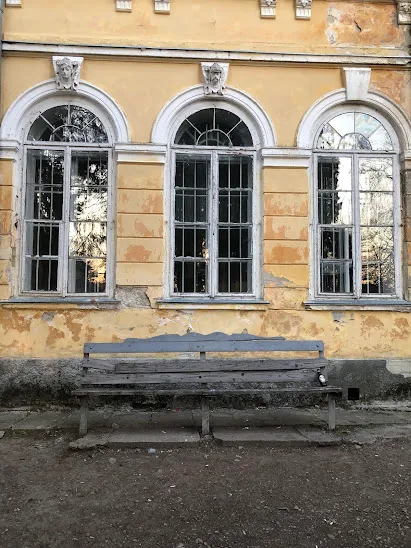
| Condition | Poor, needs major repairs to the roof, ceilings, and stucco work |
| Status | Landmark of Ukrainian history |
| Entry | Closed to visitors |
A Family That Bridged Two Worlds
I think the family link between the Fredros and the Sheptytskys — not the architecture or the creaking stairs — best explains why this estate deserves attention: rarely does a single house connect 19th-century Polish secular comedy so directly, without any intermediary, to a defining figure of 20th-century Ukrainian church history.
The Artesian Well and Daily Life
The founder’s son, Jan, had an artesian well dug that you can still drink from today. Cooks and maids lived and worked in the estate’s outbuilding, and a stable stood beside the palace — everyday details that capture the estate’s daily life better than any reception hall.
What Not to Expect
Don’t expect to go inside: the landmark is officially closed to visitors due to its poor condition, and the village head says outright that the site needs an effective owner before it can open to tourists. Cosmetic repairs by the college that manages it don’t substitute for the major restoration of the roof, ceilings, and stucco work the building hasn’t seen in roughly a century.
What to See Nearby and How to Fit It Into a Route
- Rudky — the nearest town, a few kilometers away.
- Lviv — the oblast capital, about 25 miles (~40 km).
- The Lviv–Sambir highway (N13) — the palace sits 0.9 miles (~1.5 km) from it, convenient for a combined route toward the Sambir area.
Practical Information
- Entry: closed; the building is managed by an agricultural college
- How to get there: from Lviv by car via the N13 toward Sambir, turning off at Vyshnia
- Time needed: exterior viewing only, 20–30 minutes
- Special conditions: interior access requires separate permission from the college
Conclusion
The Fredro-Sheptytsky Palace is a landmark that’s more interesting today for its family history than for its accessibility: a Polish playwright’s estate that became the cradle of a Ukrainian metropolitan’s family now awaits restoration, closed to anyone who’d want to hear Fredro’s creaking stairs for themselves.