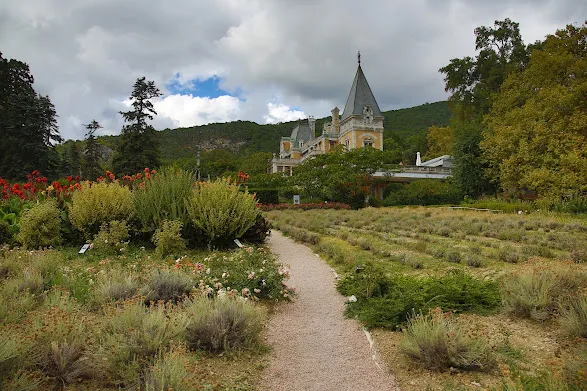
Massandra Palace opened to the general public only on June 1, 1992 — before that, for more than six decades, it was closed territory: first a tuberculosis sanatorium called “Proletarian Health” (1929–1941), then a viticulture research institute, and after the war a government dacha that ordinary visitors never entered. It managed to be a museum for everyone for just 22 years — in 2014, Russia occupied Crimea, and the palace became inaccessible again, this time to Ukrainians.
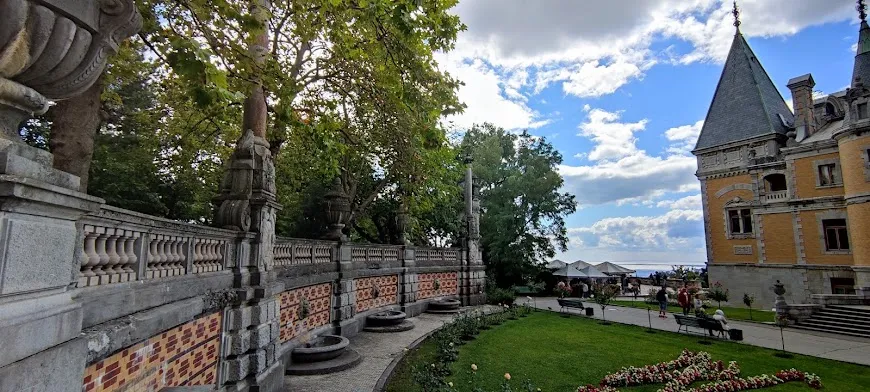
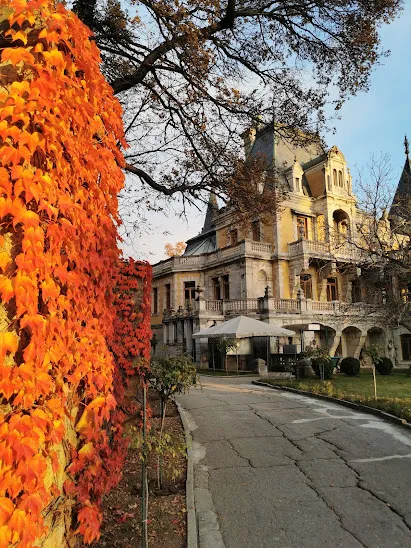
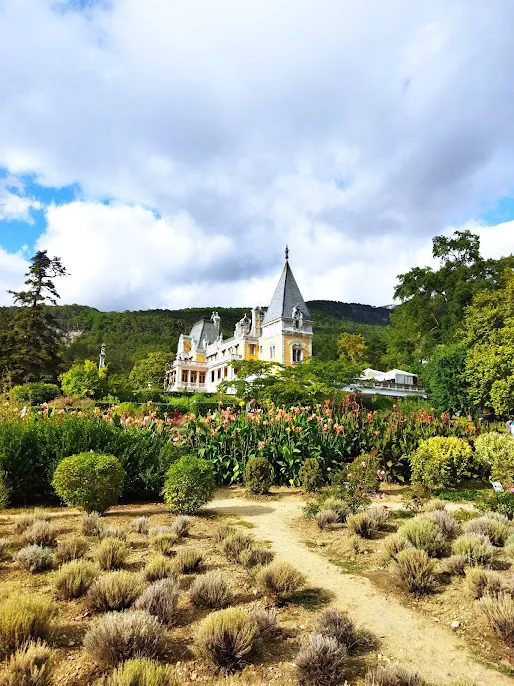
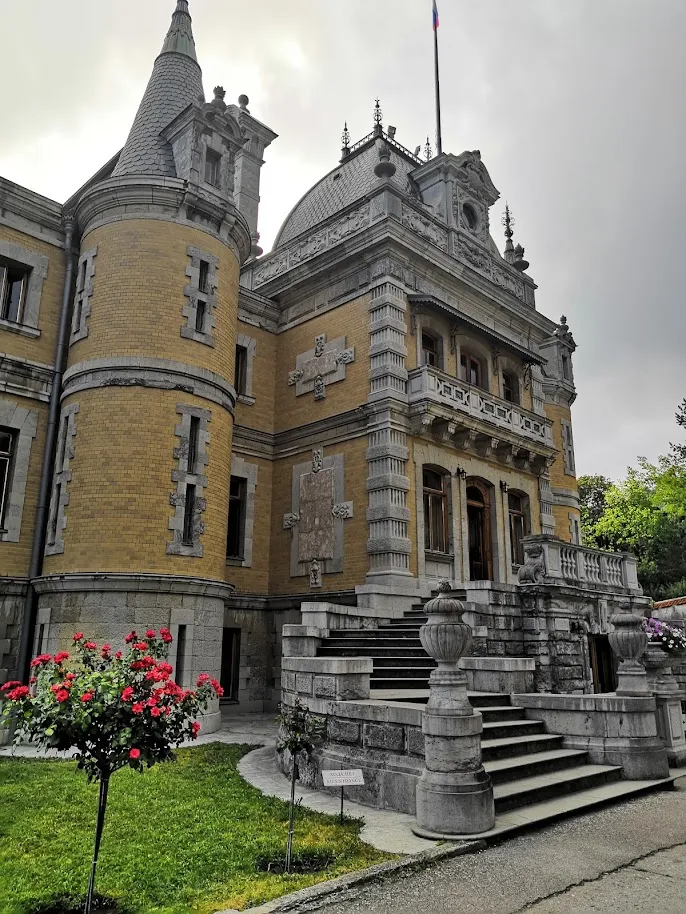
Construction began under French architect Étienne Bouchard for Prince Semyon Vorontsov in the Louis XIII style, but work stopped after the prince’s death in 1882. Emperor Alexander III bought the estate, and architect Maximilian Messmacher completed the ensemble, devoting roughly a decade of his life to Massandra.
⚠️ TEMPORARILY OCCUPIED TERRITORY
Massandra Palace is located on Crimea’s southern coast, temporarily occupied by Russia since 2014. Visiting is impossible and dangerous. This article is documentary and informational in nature.
General Information
| What? | Description |
|---|---|
| Name | Massandra Palace |
| Address | Massandra settlement, Yalta City Council, Autonomous Republic of Crimea |
| Founded | Begun under Prince Vorontsov, completed 1889–1902 |
| Commissioned by | Prince Semyon Vorontsov; completed for Emperor Alexander III |
| Architects | Étienne Bouchard (original design), Maximilian Messmacher (completion) |
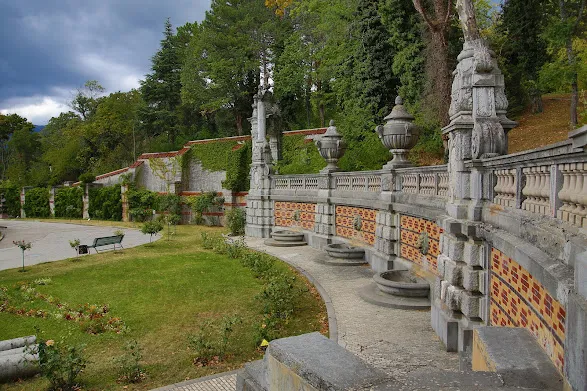
| Form/Details | Louis XIII style with late-historicist elements, steep pointed roofs |
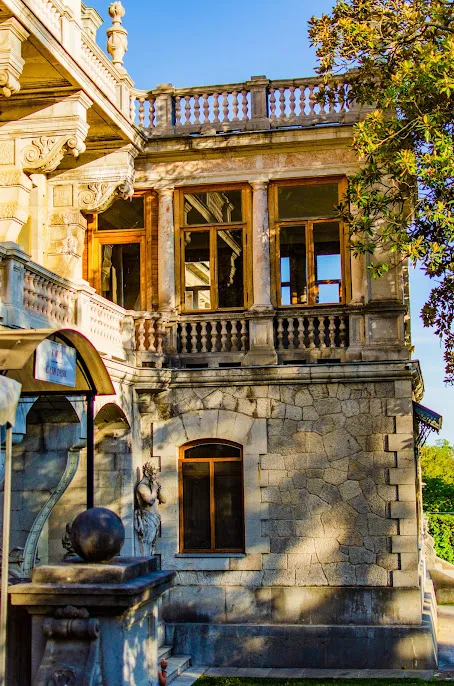
| Material | Stone, Crimean limestone, marble, ceramic and majolica decoration |
| Condition | Well-preserved museum-palace at the time of occupation |
| Status | Architectural landmark of national significance |
| Entry | Inaccessible due to occupation |
A Palace Without Grand Halls
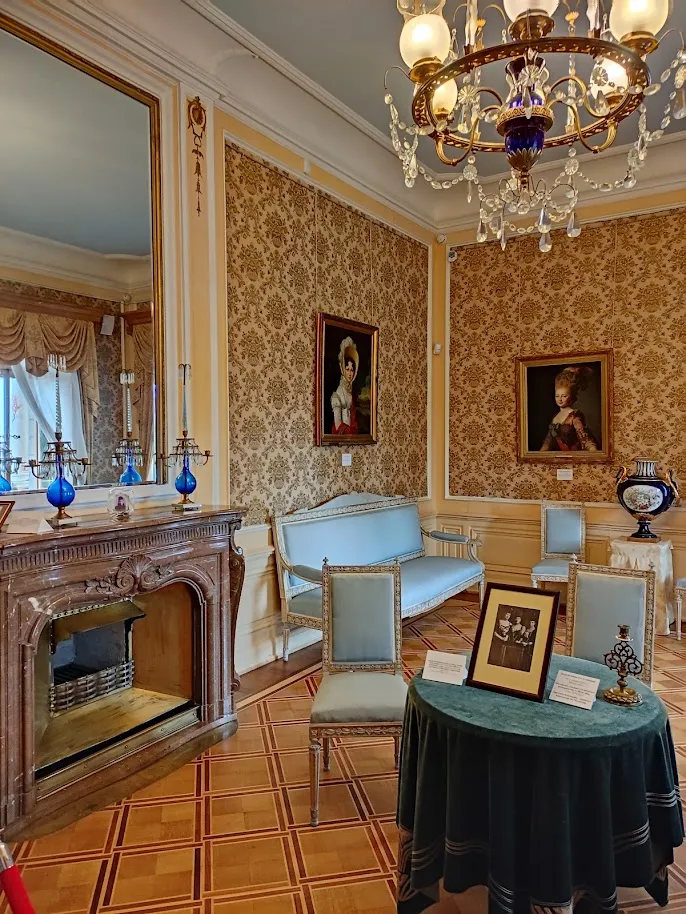
Massandra was never a ceremonial residence: it had no reception halls, since Nicholas II’s family used the palace only for daytime rest and park walks, spending their summers at nearby Livadia instead. I think this modest original purpose makes the palace’s long history of inaccessibility especially ironic: a building meant for private rest spent decades as a restricted site — first under Soviet authorities, and now under occupation administration.
Twenty-Two Years of Access
The palace gained museum status in 1992 — after the collapse of the USSR, when Crimea was part of independent Ukraine. Those 22 years, from 1992 to 2014, remain the only period in Massandra’s history when the building stood open to ordinary visitors without restriction.
Conclusion
Massandra Palace is a landmark whose history of accessibility is shorter than its history of being closed off: across more than a century of existence, it stood open to everyone for just 22 years, and once again we don’t know when that number will change.